Magic Shields, a Japanese startup developing cushioning mats to prevent fractures in the elderly, announced on April 21 the close of 1.28 billion yen (approximately $8 million) in Series B1 and B2 fundraising rounds.
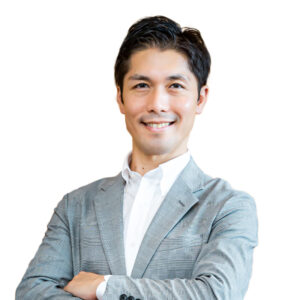
The company was founded in 2019 by Hiroshi Shimomura, a former motorcycle developer at Yamaha Motor, and is headquartered in Hamamatsu, Shizuoka Prefecture.
A Mat That Softens “Only” When You Fall
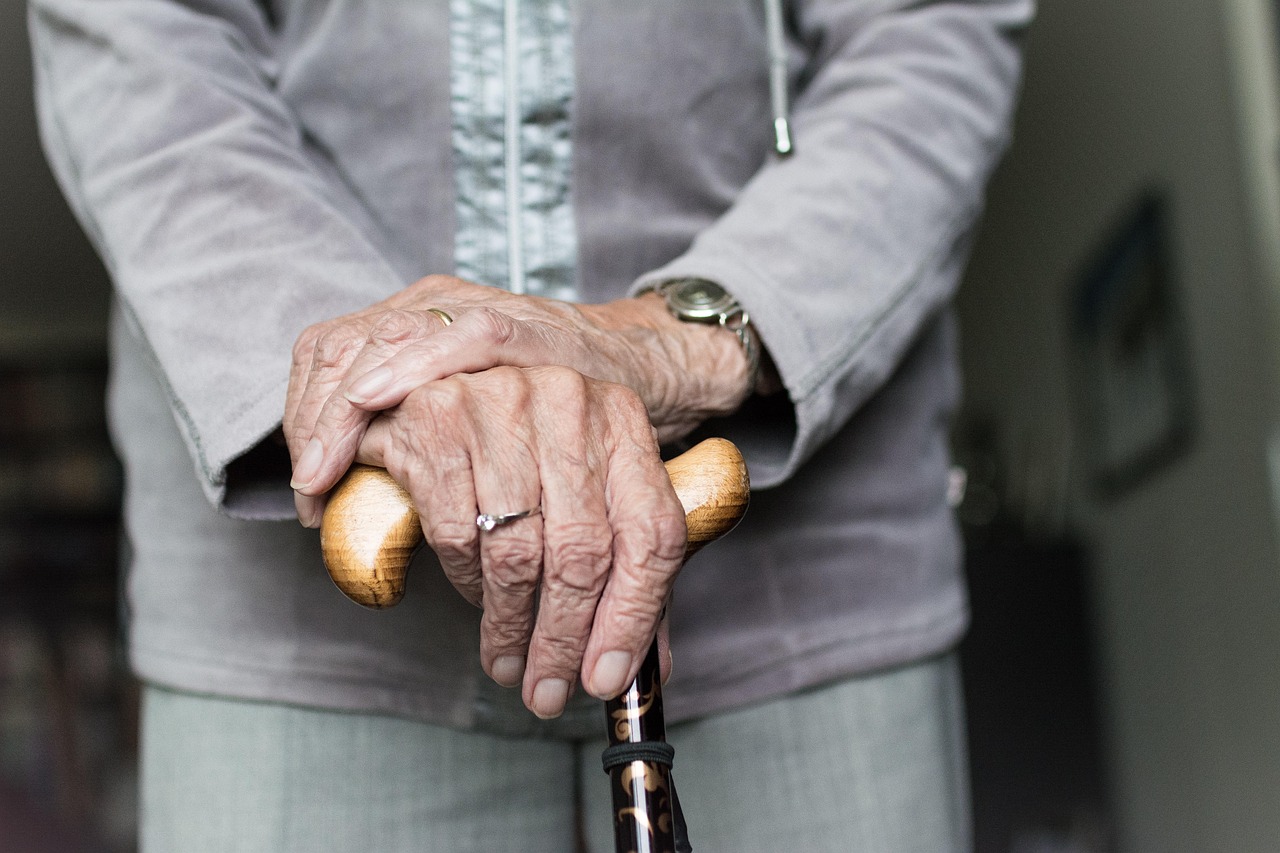
Bone fractures rank among the leading health risks for older adults, alongside swallowing disorders.

A hip fracture in particular can leave elderly patients bedridden, and falls are a common cause of such injuries.
Magic Shields’ approach is to place impact-absorbing mats and flooring in areas where falls might occur. The company’s Coroyawa mat and floor system feels firm underfoot during normal walking and allows wheelchair use as well. But when someone falls, Coroyawa compresses like a cushion, absorbing the impact.
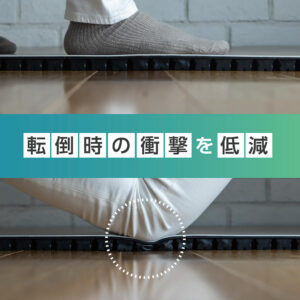
Magic Shields highlights the product’s twin strengths: it does not impede walking during normal use, yet softens to absorb impact the moment someone falls.
According to the company, as of April 2026, Coroyawa has been deployed across more than 1,600 hospitals, care facilities, and home-care settings.
Shimomura Eyes Global Expansion
The Series B1 and B2 raised 1.03 billion yen (approximately $6.5 million) in equity through a third-party allotment, and 250 million yen (approximately $1.5 million) in debt financing. Among the investors is HULIC Startup, an arm of HULIC, a real estate company that has been expanding into businesses targeting the elderly and children.
The debt financing was provided by two Shizuoka-based financial institutions where Magic Shields operates.
The proceeds will be used for product development, talent acquisition, expanding the number of facilities using the product, and marketing.
Shimomura, CEO of Magic Shields, commented: “Our approach is not to prevent falls, but to build a society where falling does not lead to fractures. We have worked to develop new materials and deploy them in real-world settings. Going forward, we will continue to expand into healthcare and elder care while pursuing global growth, making this protective technology a part of social infrastructure.”