
The company is based at Japan Innovation Campus — a startup support facility in Palo Alto, California, organized by Japan’s Ministry of Economy, Trade and Industry (METI) — and also maintains offices in Chicago, Illinois, and Tokyo.
Joint Research with the University of Southern California
BMI has emerged as one of the defining buzzwords in deep tech in recent years. Put simply, it refers to systems that read brain signals, enabling people with physical disabilities to operate machines with minimal body movement.
BMI technology falls into two broad categories: invasive, which involves implanting electrodes directly into the brain, and non-invasive, which reads signals from outside the scalp. Non-invasive approaches tend to suffer from lower signal accuracy, which is why companies such as Neuralink — co-founded by Elon Musk — have opted for the invasive route. In April 2025, a U.S. patient with amyotrophic lateral sclerosis (ALS) publicly disclosed that a Neuralink BMI implant had been placed in their brain.
Ruten, which closed its funding round this March, is developing an invasive BMI aimed primarily at people with dysphagia — difficulty swallowing. Its device, called Swallow Autopilot, has not yet been accompanied by technical diagrams or design renders, but the company describes it as intervening in the swallowing process. The author understands the device is likely designed to read the brain’s intent to swallow and provide assistive stimulation accordingly.
Dysphagia is far from a rare condition. Ruten states that 16 percent of the global population will experience it at some point in their lives. It is also widely recognized that older adults are particularly prone to dysphagia following pneumonia. According to the company, the incremental medical costs attributable to ischemic-stroke-related dysphagia in the United States alone exceed $20 billion annually.
Ruten is conducting joint research with the University of Southern California (USC) under a grant from the U.S. National Institutes of Health (NIH).
Funding Raised via SAFE Instrument
The March funding round was led by Coral Capital, a Tokyo-based venture capital firm, using a Simple Agreement for Future Equity (SAFE) instrument.
Ruten has not specified how the proceeds will be deployed. Its press release outlines two broad priorities: accelerating BMI research and development, and deepening collaboration with universities and research institutions in Japan and abroad to advance system validation and lay the groundwork for clinical applications. Kazutaka Takahashi, the company’s co-founder, CEO, and CSO, commented as follows.
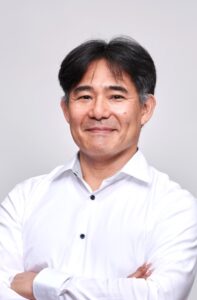
“This additional funding from Coral Capital will allow us to record the data needed from the cerebral cortex to achieve a world-class seed round at the next stage, optimize peripheral nerve stimulation methods, and enable the development of a next-generation closed-loop system. It will also strengthen us as an organization, bringing us one step closer to realizing the world’s only medical device capable of fundamentally restoring swallowing function.”