

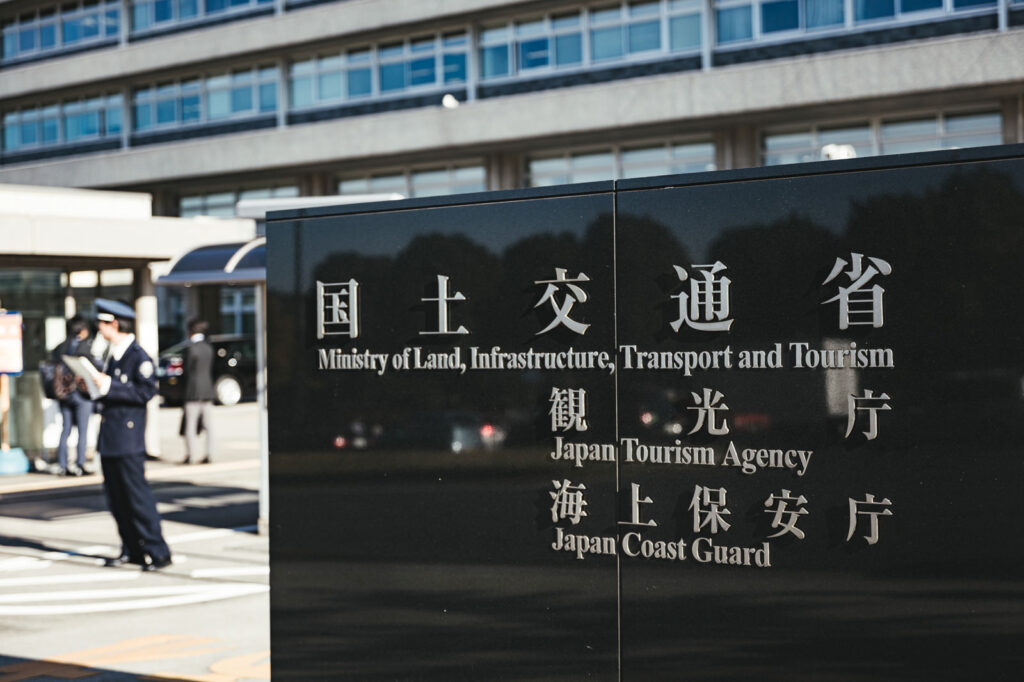
Japan’s Ministry of Land, Infrastructure, Transport and Tourism (MLIT) announced on March 13 the status of moving reservations for March and April of this year, based on interviews with major moving companies. The ministry confirmed that the period from Saturday, March 28 through Saturday, April 4—one week later—is at the highest congestion level, classified as “Extremely Busy.”
In Japan, the government fiscal year runs from April through March of the following year, and many companies follow the same schedule. Academic years also run from April to March, making this period Japan’s peak moving season.
This article examines the details of the MLIT announcement and the broader context behind Japan’s spring relocation surge.
Availability Opens Up from the Second Week of April
The MLIT survey was conducted in coordination with the Japan Trucking Association and targeted five major moving companies. Congestion is measured on a three-tier scale, from most to least difficult to book: “Extremely Busy,” “Busy,” and “Some Availability.” Reservation conditions from March 13 onward are as follows.
- Extremely Busy (hardest to book): Saturday, March 28 – Saturday, April 4
- Busy: Saturday, March 14; Friday, March 20 – Friday, March 27; Sunday, April 5; Saturday, April 11
- Some Availability: Friday, March 13; Sunday, March 15 – Thursday, March 19; Monday, April 6 – Friday, April 10; Sunday, April 12 onward
The concentration of demand on weekends—when most people are off work—drives the extreme congestion seen in the final week of March through the first week of April.
MLIT has urged consumers to consider spreading out their moving dates, noting that “from the second week of April onward, conditions are relatively open,” and encouraging the public to plan accordingly.
Why So Many People Move in March and April
As noted above, the fiscal years of Japan’s central and local governments run from April through March. Many companies follow suit, closing their books in March and beginning a new fiscal year in April. Among companies listed on the Tokyo Stock Exchange Prime Market, close to 70 percent operate on a March fiscal year-end. Academic years, too, run from April to March.
As a result, corporate personnel transfers frequently take effect on April 1, making the end of March through early April the primary relocation season. The surge is not limited to employees; university students moving out on their own for the first time also contribute to the seasonal spike.
The author attended Japanese schools from primary through university and has a strong personal association between April and the start of a new year. The first company the author joined—though not publicly listed—also ran on an April-to-March fiscal year.
It is worth noting that Chinese companies follow a calendar fiscal year, running from January through December, as mandated for all enterprises. Japan imposes no such uniform requirement; companies are free to set any fiscal year-end, such as January or August. However, the April start remains the most common choice, in part because of tax-related advantages.
With a fiscal year that begins in April, the first half ends in September and the second half begins in October. Personnel transfers are also relatively common in this period—second only to the spring cycle—making autumn a secondary moving season, albeit far smaller in scale than spring.
How Much Does a Move Cost During Peak Season?
When a corporate transfer requires relocation, it is standard practice in Japan for the employer to cover moving costs—though this is not mandated by law. Similar support for employees is not uncommon at companies abroad.

So what does a move actually cost in Japan? Ateam LifeDesign, a Japanese operator of moving quote comparison services, released projections in February of this year based on a survey of moving companies, estimating costs for the March–April period. Prices vary considerably depending on distance and volume of belongings, but on average, a family move is expected to run around ¥200,000 (approximately $1,250), while a single-person move comes in at around ¥120,000 (approximately $750). For a long-distance family move during peak season, costs can reach as high as ¥2,500,000 (approximately $16,000). According to the company, peak-season rates have been rising year over year, driven by wage increases and broader inflationary pressures including fuel costs.
For reference, the author’s most recent move was five years ago—a short-haul relocation of roughly one kilometre within the same municipality, so it may not be especially instructive. Moving two people’s belongings in July, outside the peak season, came to around ¥100,000 (approximately $630) using a mid-sized moving company.