Green Growth, which works to improve the revenue of solar and other renewable power plants, announced on 29 October that it had secured approximately ¥500m ($3m) in a seed funding round. The round combined equity and debt.
Founded in 2022, the company has offices in Tokyo and Fukuoka.
A business built for the end of FIT in the 2030s
Feed-in tariff (FIT) schemes have been introduced in many countries to promote the adoption of renewable energy. For renewable electricity, a FIT scheme obliges power companies to buy electricity at prices above market rates. The aim is to allow investment in renewable generation facilities to be recovered early.
Japan, too, launched a FIT scheme for renewable power sources in 2012. However, FIT terms for commercial renewable generation run for 20 years in the case of solar, meaning that from 2032 onwards the scheme will progressively expire for generators already using it. A feed-in premium (FIP) scheme, under which electricity is bought at the market price plus a premium rather than at a fixed price, has also been introduced, and some generators have switched from FIT to FIP. However, FIP support likewise ends when the original FIT term would have expired. In addition, from fiscal 2027, new applications under both FIT and FIP will no longer be accepted for categories such as ground-mounted commercial solar.
In short, Japanese generators selling renewable power are under pressure to secure profitability. At the same time, the Japanese government has set a target of raising renewables to 40–50% of the power mix by fiscal 2040 (from around 23% at present). Demand for solutions will therefore persist.
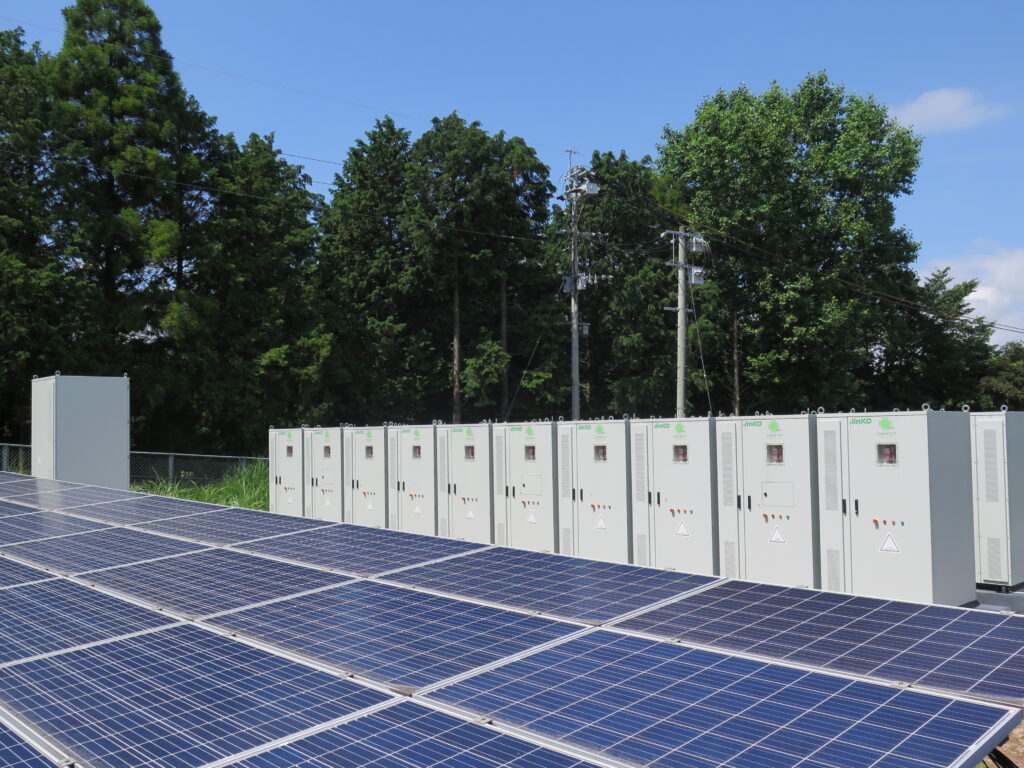
This is where Green Growth comes in, helping generators secure profitability. Specifically, it installs battery storage alongside power plants and refurbishes solar panels to extend their service life. Battery storage in particular addresses output curtailment, which occurs when electricity supply exceeds demand and the power company instructs plants to stop generating. During curtailment, renewable generators earn no revenue. With battery storage, electricity can be stored rather than sold while curtailment is in effect, and sold at another time of day.
The company also offers concept planning for businesses that intend to build renewable power plants, development of battery storage facilities and power plants, and support for electricity distribution, including supply optimisation.
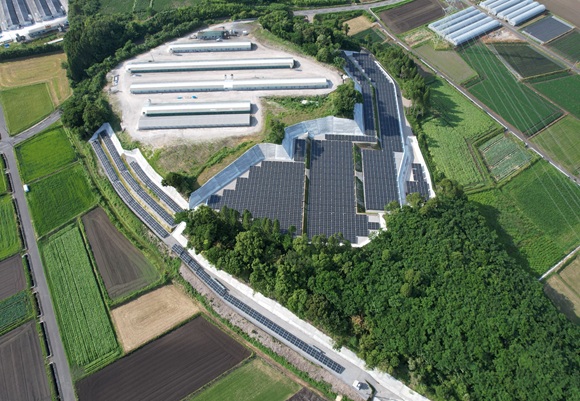
As an example, in June this year it handled the planning, operation and aggregation of battery storage installed at a solar power plant owned by Kagasiya, a local company in Kyushu.
Funds to go towards hiring
The equity portion of the seed round was led by venture capital firm ANRI, with participation from a fund of DOGAN, a Fukuoka-based company, and individual investor Yusuke Toyoda.
The funds will be used for hiring and strengthening the organisation.
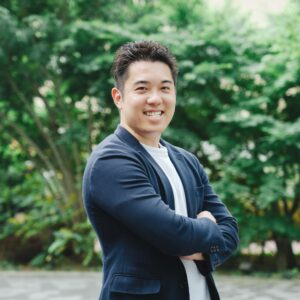
Junpei Kawano, CEO of Green Growth, commented: “Ahead of the 2030s, when a growing number of power plants across Japan will reach the end of their FIT periods, the next three to five years will test how Japan makes use of its renewable energy. We will expand our role as a company that identifies and solves problems on behalf of power plant owners and the companies that use electricity.”