WAKU, a biotechnology startup, announced on 1 September that it had secured a total of ¥480m ($3m) in its pre-Series A funding round. That total includes the ¥180m equity round announced in July 2025. Most recently, in August 2026, the company raised ¥300m, of which ¥150m came in the form of equity.
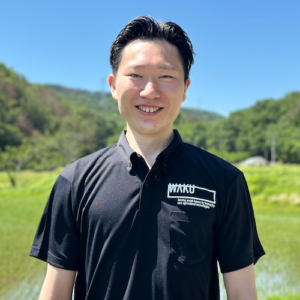
WAKU was founded in 2022 by Ryosuke Himeno, its chief executive, and other former employees of ENEOS, Japan’s largest oil wholesaler. It is headquartered in Minamisoma, Fukushima prefecture, with a branch office and factory in Hanamaki, Iwate prefecture.
WAKU’s two core technologies
WAKU has two core technologies: glutathione and fission yeast.
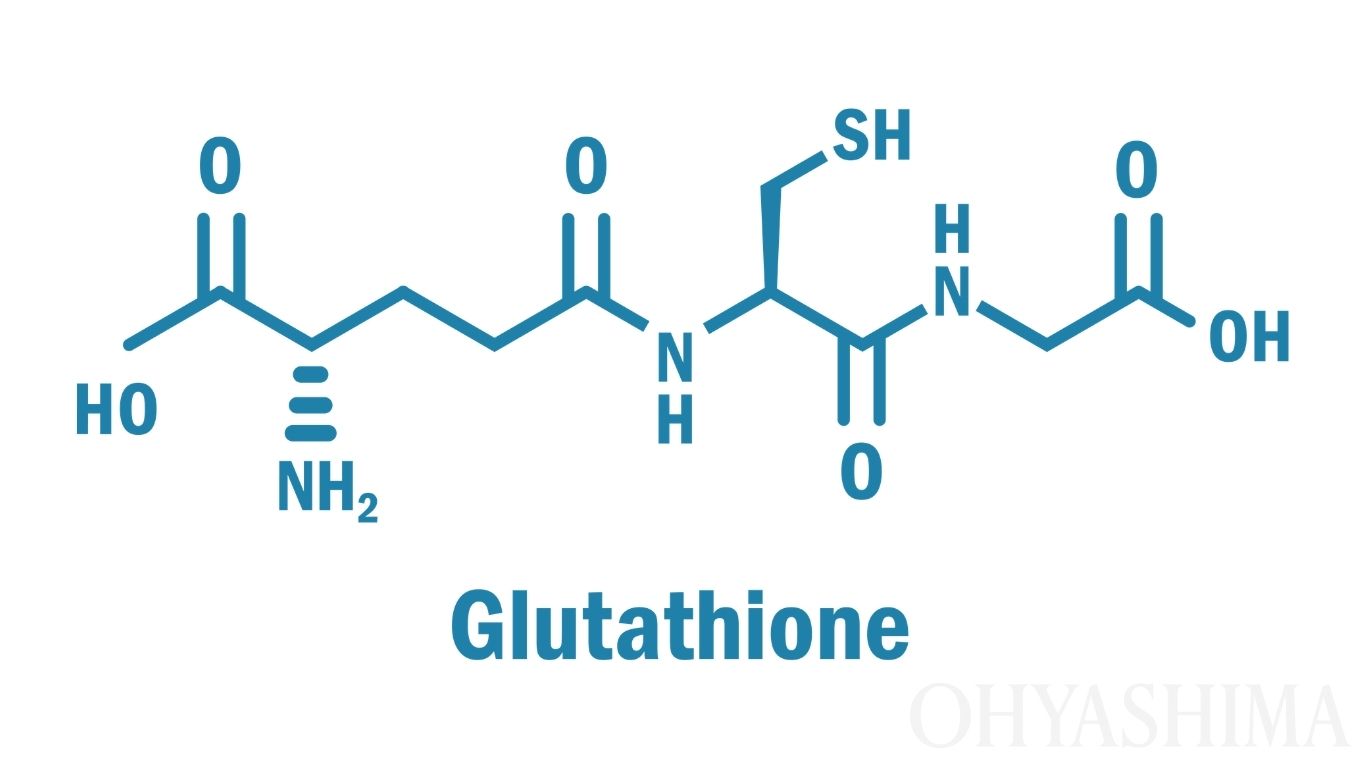
Glutathione is a compound formed from three amino acids—glutamic acid, cysteine and glycine. It is not something that has to be created by artificial synthesis: it occurs naturally in plants and animals. In humans, it is a substance used in cosmetic medicine and elsewhere.
WAKU applies glutathione to agriculture. It has already released WAKUFUL, a biostimulant, which promotes stress tolerance in crops, better root development, improved photosynthesis and improved nutrient acquisition. The company positions WAKUFUL as a new category of agricultural input, distinct from both pesticides and fertilisers.
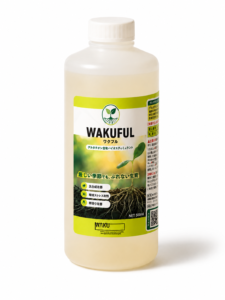
WAKUFUL is also intended to ease the burdens facing farmers, such as climate change and labour shortages.
The other core technology, fission yeast, is a yeast that propagates by dividing symmetrically. The yeast used to make bread and beer is known as budding yeast because it propagates by sprouting buds, and it has become indispensable to industry. Industrial use of fission yeast, by contrast, remains limited for now, and WAKU sees it as a yeast with future potential because its properties differ from those of budding yeast. Specifically, the company says it may be able to purify harmful substances and produce high-functionality molecules.
WAKU had been carrying out research and development on fission yeast, and disclosed this for the first time when it announced the funding round in September.
“Not merely a supplier of agricultural inputs,” says chief executive
In the August round, the equity portion drew three venture-capital firms affiliated with regional banks, along with Asahi Media Lab Ventures, the corporate venture-capital arm of The Asahi Shimbun Company.
The proceeds will fund research and development aimed at harnessing fission yeast, and the expansion of the WAKUFUL business. Himeno said: “WAKU is not a company that stops at supplying agricultural inputs. From our own research and development platform in fission yeast, we will create new materials and new industries, and use them to help solve a range of social problems—in agriculture, food, health care and the environment.”