
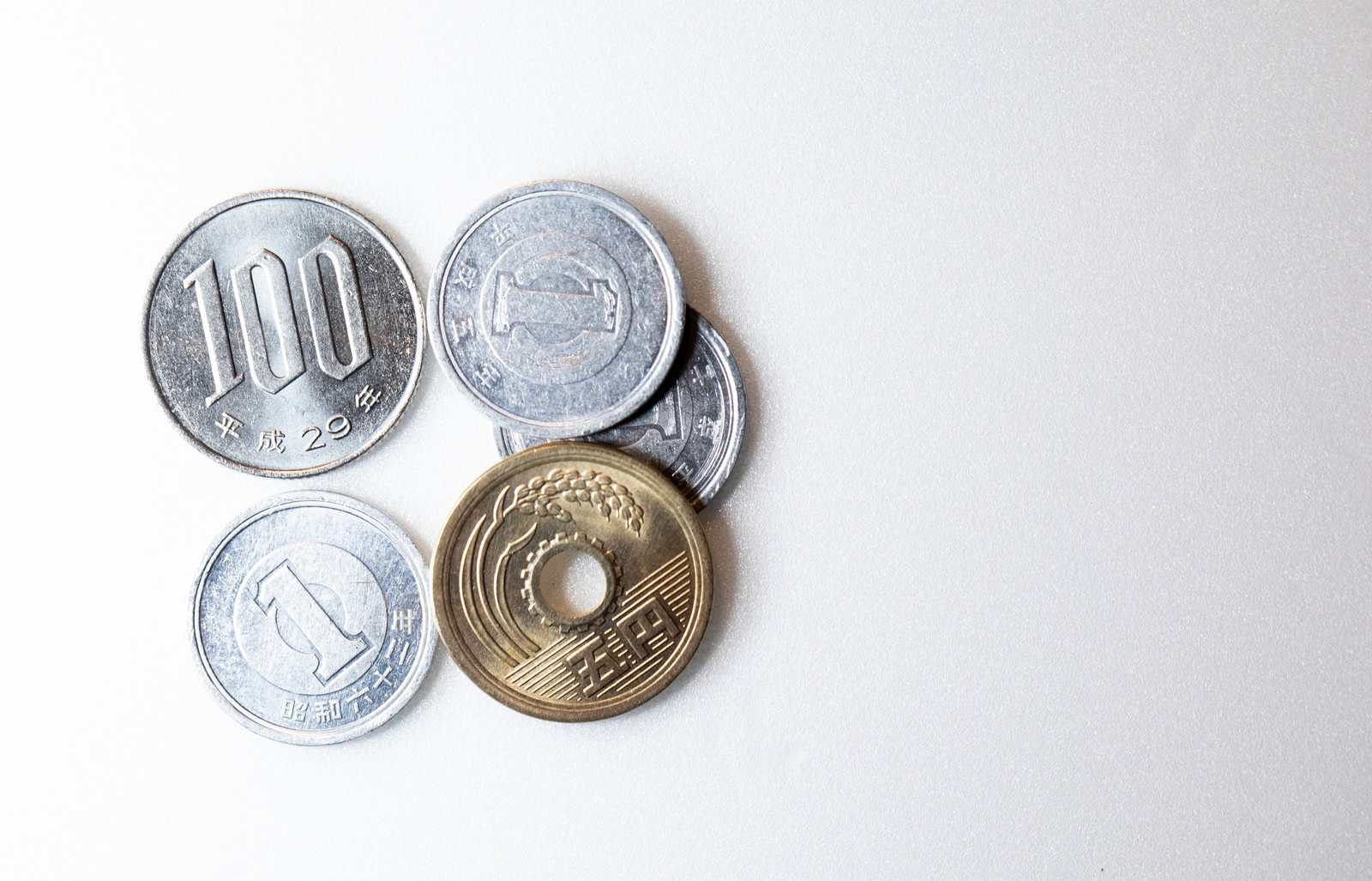
The Japanese government will lower the consumption-tax rate on food and drink to 1% (currently 8%) for the two years from April 2027 to March 2029. Prime Minister Sanae Takaichi announced the plan on 30 July. It is intended to ease the burden on households amid continued price rises.
So on what occasions must foreign companies pay Japanese consumption tax? This article covers the basics of Japan’s consumption tax, together with what the tax means for foreign companies.
A short history of Japan’s consumption tax and its rates
To start with the basics, let us look at the history of Japan’s consumption tax and its rates.
The consumption tax was introduced in April 1989. It was launched on the principle that citizens should share the burden of funding public services fairly, with an ageing society in mind. The rate at its introduction in 1989 was 3%.
The rate has since been raised in stages: to 5% in April 1997, and to 8% in April 2014. Then, in October 2019, it moved to a standard rate of 10% and a reduced rate of 8%—the rates in force today. The reduced 8% rate applies to food and drink (alcohol excluded).
When foreign companies must pay Japanese consumption tax
So how does Japan’s consumption tax apply to companies and individuals based mainly outside the country?
A packed schedule of rule changes lies ahead, as discussed below, but let us start with the current system. The following are cases in which foreign companies operating in Japan (hereafter “foreign companies”) and others must pay Japanese consumption tax under the present rules.
- Where a foreign company imports goods into Japan. Import consumption tax of 10% (or the reduced rate of 8% for food and drink) is levied.
- Where a foreign company sells stock held in a warehouse in Japan to customers in Japan.
- Where a foreign company supplies services within Japan (including digital services such as music streaming and food delivery).
- Where a foreign company sells or leases real estate located in Japan.
There are also cases in which a company is exempt, but the conditions for exemption are fairly complex. Individual cases therefore call for advice from professionals such as tax accountants and licensed customs specialists.
Where a single foreign company carries out steps 1 and 2 as one continuous process, double taxation can be avoided by attaching the import permit to the consumption-tax return and claiming an input tax credit. That said, an importing company will sometimes have a customs broker handle the procedures on its behalf. In that case the importer of record becomes the customs broker, and the only input tax credit available is on the consumption tax charged on the broker’s fees.
The road ahead: a timetable of consumption-tax changes
Over the next few years Japan’s consumption tax faces a range of changes to both its rules and its rates, as set out below.
| Date | What is planned |
| November 2026 | Consumption-tax exemption for foreign travellers in Japan moves to a refund system |
| April 2027 | Consumption tax on food cut to 1% for a limited two-year period |
| April 2028 | Platform taxation of cross-border e-commerce begins |
| March 2029 | The 1% reduced rate on food ends (reverting to the original 8%) |
The move to a refund system, scheduled for November 2026, works by refunding the consumption tax to foreign travellers once it is confirmed that goods bought in Japan have been carried out of the country on departure. It is the approach seen in other countries that operate taxes similar to Japan’s consumption tax. At present, the exemption is granted in-store at the point of purchase (goods can be bought at the tax-exclusive price).
Then, from April 2028, comes a system under which large global e-commerce platforms will pay consumption tax on behalf of the small and medium-sized retailers that use them. Until now, cross-border transactions of ¥10,000 or less have been exempt from consumption tax, but from April 2028 they will become taxable. For such transactions, the platform operator will assume the payment obligation in place of the small and medium-sized businesses outside Japan that sold through it. It is worth keeping in mind that consumption tax will now apply to cross-border transactions of ¥10,000 or less (where a business outside Japan sells and ships to a consumer in Japan) that were previously exempt.