Japan’s Ministry of Land, Infrastructure, Transport and Tourism (MLIT) announced on April 14 that it would begin enforcing new rules governing the in-cabin carriage of mobile batteries. The rules take effect April 24.
The headline changes are a stricter cap on the number of mobile batteries that may be brought aboard and a new ban on charging smartphones and other devices from mobile batteries while in flight.
The tighter rules come in response to a series of mobile battery fires both on the ground and in the air.
What do the new rules say?
The key provisions are as follows:
- Mobile batteries with an energy content of 160 watt-hours or less: limit of two per passenger
- Spare batteries for digital cameras and similar devices rated at 100 watt-hours or less: no limit on the number carried
- Charging a mobile battery from an in-cabin power outlet: prohibited
- Charging a smartphone or other electronic device from a mobile battery while in flight: prohibited
Mobile batteries exceeding 160 Wh have always been banned from cabins. Previously, batteries rated at 100 Wh or below could be brought on board in unlimited numbers. Under the new rules, all batteries rated at 160 Wh or below are now capped at two per passenger—meaning the maximum number of mobile batteries permitted in the cabin is two.
The author checked a mobile battery purchased at a convenience store and routinely carried on the go: it was rated at 22 Wh. Even a battery that falls well within the energy limit could therefore run afoul of the new count restriction.
Anyone attempting to bring three or more mobile batteries through security may, as with bladed items, be required to discard the excess on the spot.

Lithium-ion batteries for digital cameras and similar equipment (the “spare batteries” referred to above) continue to be subject to no count limit provided they are rated at 100 Wh or below. Note, however, that batteries for television cameras and comparable professional equipment can exceed that threshold. Lithium-ion batteries rated above 100 Wh but at or below 160 Wh are permitted in quantities of up to two.
Charging a mobile battery from an in-cabin power outlet, and charging a smartphone or other device from a mobile battery while in flight, are both now prohibited. It is worth noting that neither practice was previously regulated.
The table below compares the previous rules with the new ones.
| Action | Energy Content | Previous Rule | New Rule |
| Carrying a mobile battery in the cabin | Over 160 Wh | Prohibited | |
| Over 100 Wh, up to 160 Wh | Up to 2 per passenger | Up to 2 per passenger | |
| 100 Wh or below | No limit | ||
| Charging a mobile battery from an in-cabin power outlet; charging electronic devices from a mobile battery | ‒ | No restriction | Prohibited |
Storing a mobile battery in checked luggage or in an overhead bin is also prohibited. Batteries must be kept within arm’s reach at all times.
The new rules stem from ICAO’s revised standards
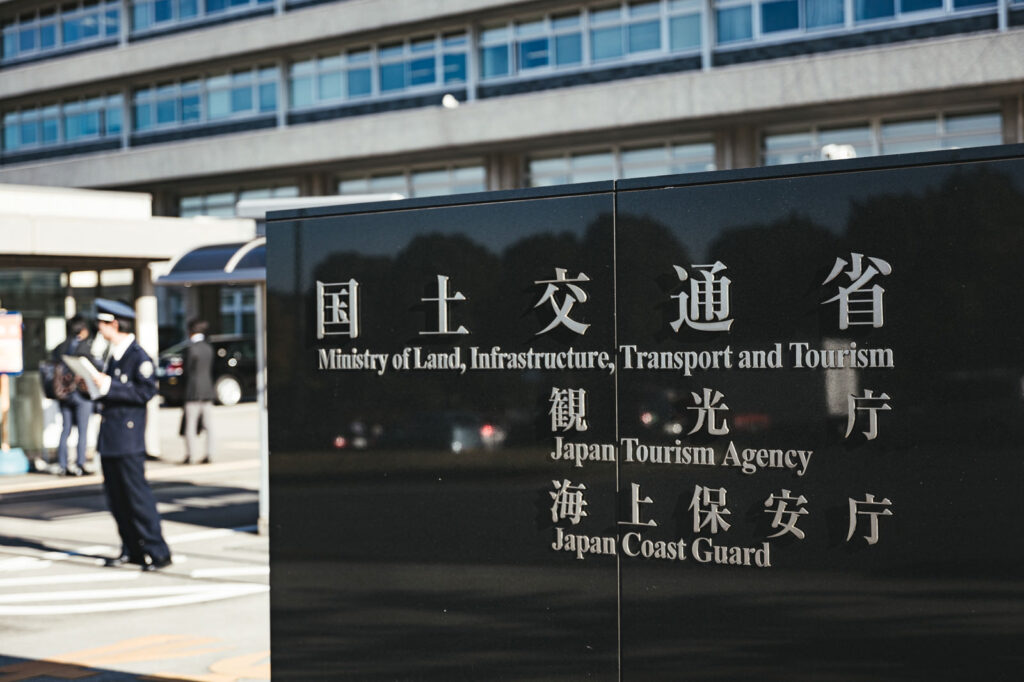
The changes follow a revision to mobile battery standards by the International Civil Aviation Organization (ICAO). MLIT’s rules apply to flights departing from or arriving at Japan, including domestic services. Other countries and carriers are expected to adopt comparable requirements.
Finally, while not stipulated by the new rules, passengers should also refrain from bringing swollen mobile batteries or lithium-ion cells aboard—even if they otherwise comply with the energy and count limits. Swollen cells carry a particularly elevated risk of ignition and should be disposed of properly, regardless of any travel plans.