Major retailer Pan Pacific International Holdings Corporation (PPIH) announced on 1 October that it and its subsidiary had signed a sponsor agreement with Toys”R”Us-Japan, which filed for civil rehabilitation proceedings the same day.
PPIH is expected to acquire the Toys”R”Us business in Japan at the end of October. The company says it aims to take on all employees wherever possible. According to a report by Nikkei, the total acquisition cost could be around ¥10bn.
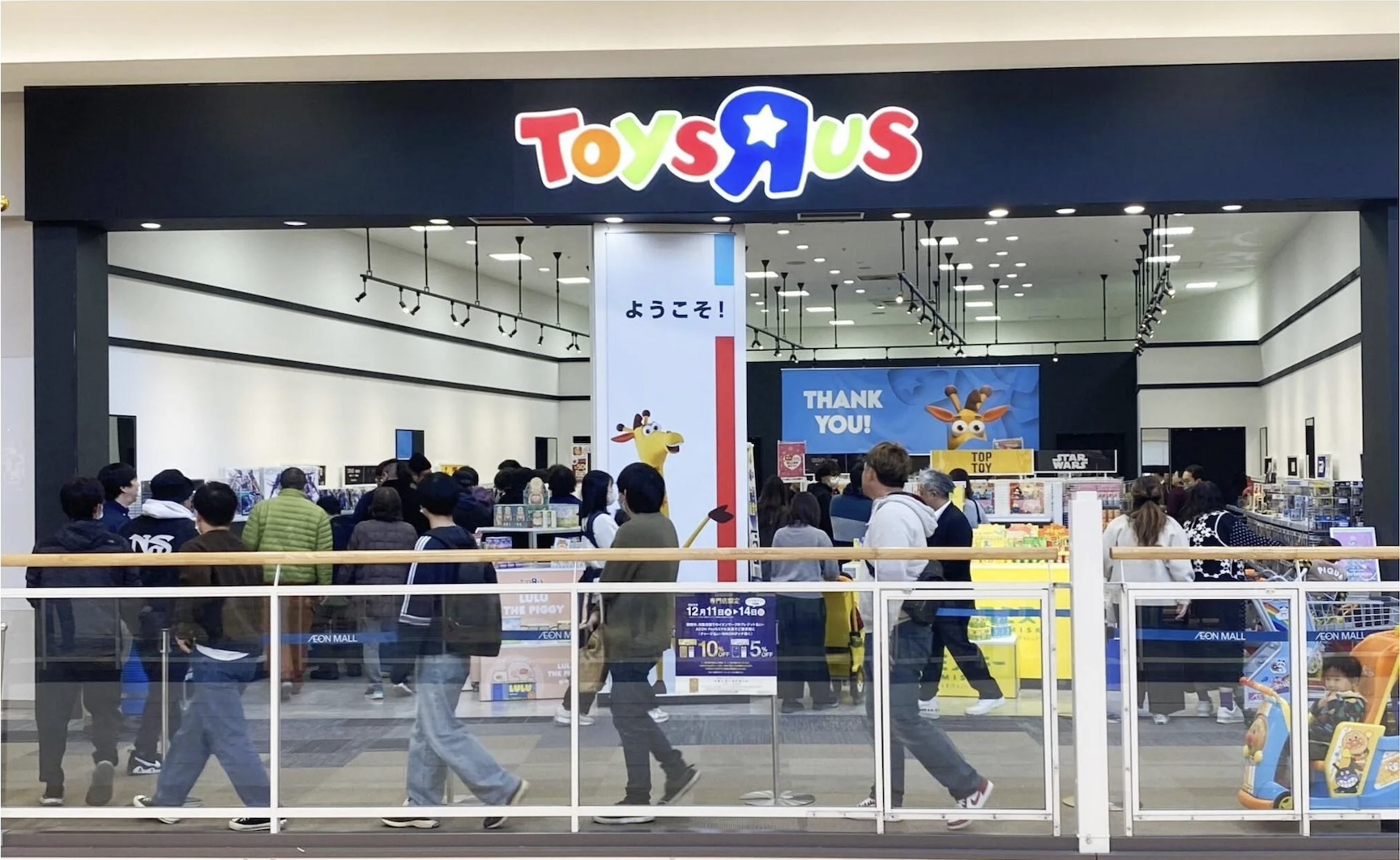
PPIH is a holding company whose founding and core business is the discount store chain Don Quijote.
The Civil Rehabilitation Act and PPIH’s history of expansion
Japan’s Civil Rehabilitation Act occupies a position similar to Chapter 11 of the US Bankruptcy Code. A company weighed down by heavy debts petitions the court for civil rehabilitation proceedings and, once the proceedings commence, draws up a draft rehabilitation plan. If the plan wins the consent of a majority of the creditors who vote at the creditors’ meeting, together with creditors holding at least half of the total voting rights (based on the amount of their claims), the rehabilitation plan goes ahead.
The “sponsor” role that PPIH’s subsidiary is taking on in this rehabilitation is to support Toys”R”Us both operationally and financially. It is close to what Chapter 11 calls a “plan sponsor”.
PPIH has continued to expand through acquisitions such as UNY, a general merchandise store (GMS) operator whose store brands include APITA and PIAGO, and the retail chain Olympic. Particularly notable is Nagasakiya, a GMS operator acquired in 2007. Through it, PPIH gained know-how in selling fresh food and ready-made meals, which gave momentum to its expansion.
The support for Toys”R”Us has some parallels with the Nagasakiya acquisition. Nagasakiya, too, collapsed in 2000, and several companies attempted to revive it before PPIH bought it.
The two deals are also alike in filling gaps in PPIH’s offering. Until the early 2000s, Don Quijote did sell food, but mainly shelf-stable products and drinks. As noted above, it began handling fresh food and similar items after acquiring Nagasakiya.
With its support for Toys”R”Us, PPIH is aiming to expand its range of toys and baby products. Indeed, the presentation materials released with the sponsor agreement say as much.
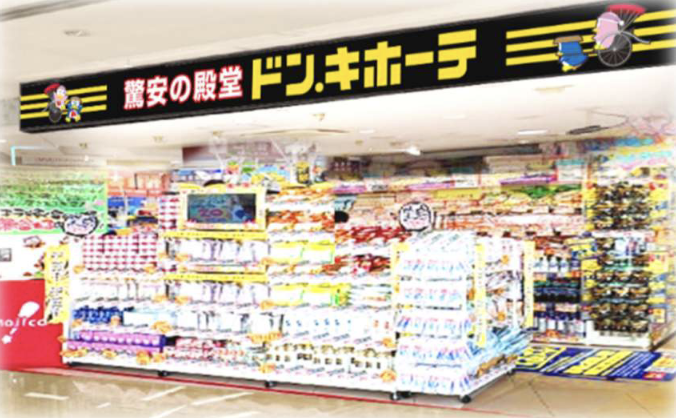
Toys”R”Us in Japan
Some American readers may react to this news by wondering, “Toys”R”Us still exists in Japan?” That is because the original Toys”R”Us filed for Chapter 11 but abandoned its restructuring and wound up its US business in 2018.
Toys”R”Us-Japan was established in 1989 and opened its first store in 1991. Having grown up relatively close to that first Japanese store, the author remembers the excitement and the media coverage at the time. Since 2017, the company had been under the Hong Kong-based Asian arm.
In other words, the Toys”R”Us brand still lives on outside Japan as well. There is also an article (below) on similar cases of brands that have survived and continued to operate in Japan even after their business ended worldwide. Do take a look.