Yodobashi Camera, one of Japan’s major electronics retailers, accepts lithium-ion batteries and other battery types for free collection at its stores across the country. While many electronics retailers offer similar programs, Yodobashi’s service stands out: it also covers batteries that lack a PSE mark or recycling mark.
This article covers the details.
Batteries That Were Previously Difficult to Dispose of Are Now Accepted
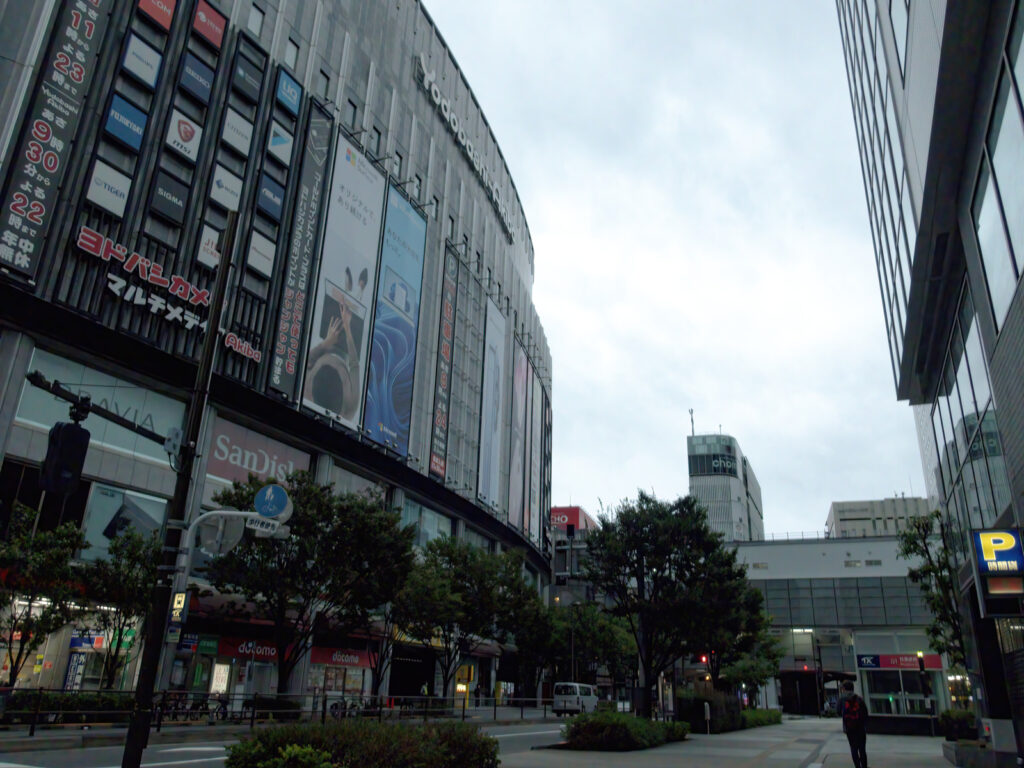
According to Yodobashi’s website, the following battery types are and are not accepted for collection.
| Accepted | Not Accepted |
| ・Lithium-ion batteries (including mobile battery packs) ・Nickel-cadmium (NiCd) batteries ・Nickel-metal hydride (NiMH) batteries ・Dry-cell batteries ・Coin batteries ・Button batteries | ・Damaged or leaking batteries ・Portable power stations ・Heated tobacco products, etc. |
Notably, the Yodobashi website explicitly states that the retailer will accept batteries “without a PSE mark or recycling mark, as well as swollen lithium-ion batteries.”
When electronics retailers in Japan collect lithium-ion batteries, most limit their programs to batteries designated as collectable by JBRC, the industry’s battery recycling body formed primarily by domestic manufacturers. In practice, this means only batteries made by JBRC member companies or handled by Japanese importers are eligible — most of which carry a recycling mark. (JBRC itself advises consumers not to use the presence or absence of the recycling mark as the sole criterion for eligibility.)
When collection is limited to batteries from JBRC member companies, batteries manufactured outside Japan are frequently excluded. As a result, anyone in Japan with a foreign-made battery has often had few options for disposal — which is precisely where Yodobashi’s program fills the gap.
Yodobashi also accepts swollen lithium-ion batteries. These are routinely turned away elsewhere, as the fire risk associated with them is considerably higher than that of normal batteries.
This article was prompted by a report from the author’s acquaintance, who had a swollen battery from a non-JBRC manufacturer collected at Yodobashi. Given that the service is publicly stated on Yodobashi’s official website, the information is reliable — however, the author cannot rule out the possibility that an eligible battery may be turned away in some circumstances. The author and OHYASHIMA accept no responsibility for such cases, and readers’ understanding is appreciated.
Fire Agency Releases Lithium-Ion Battery Fire Data for 2025
On March 26, the Fire and Disaster Management Agency (FDMA) published its survey on fires originating from lithium-ion batteries. The number of fires in Japan attributed to lithium-ion batteries and similar products in 2025 stood at 1,297 — up from 601 in 2022, 739 in 2023, and 982 in 2024, continuing a year-on-year increase.
Among product categories, mobile battery packs accounted for the largest share in 2025, with 482 incidents. These figures also include fires that broke out in garbage trucks or waste processing facilities after collection.
This underscores that simply expanding collection programs is not enough — developing safer methods of processing and disposal is equally urgent.
Support the Service by Making a Purchase
If Yodobashi successfully collects your foreign-made batteries or other items, the author would encourage you to purchase a replacement battery or some other product at the same store.
The author has received no fee from Yodobashi in connection with this article. It was written purely to help expats in Japan who are unsure how to dispose of their batteries.
With that said, it is worth noting that Yodobashi is accepting batteries that carry real risk and cost — for free. The author hopes readers will consider making a purchase, not just dropping off batteries, so that this service can continue.