For me, OHYASHIMA is a media project I hope to grow into something substantial over time. For now, however, I spend far more of my working hours producing content commissioned by other companies and individuals.
Many of the media outlets I work with on a contract basis focus on economic issues or corporate-owned media. Some of these assignments involve interviews with business leaders, including founders of startups.
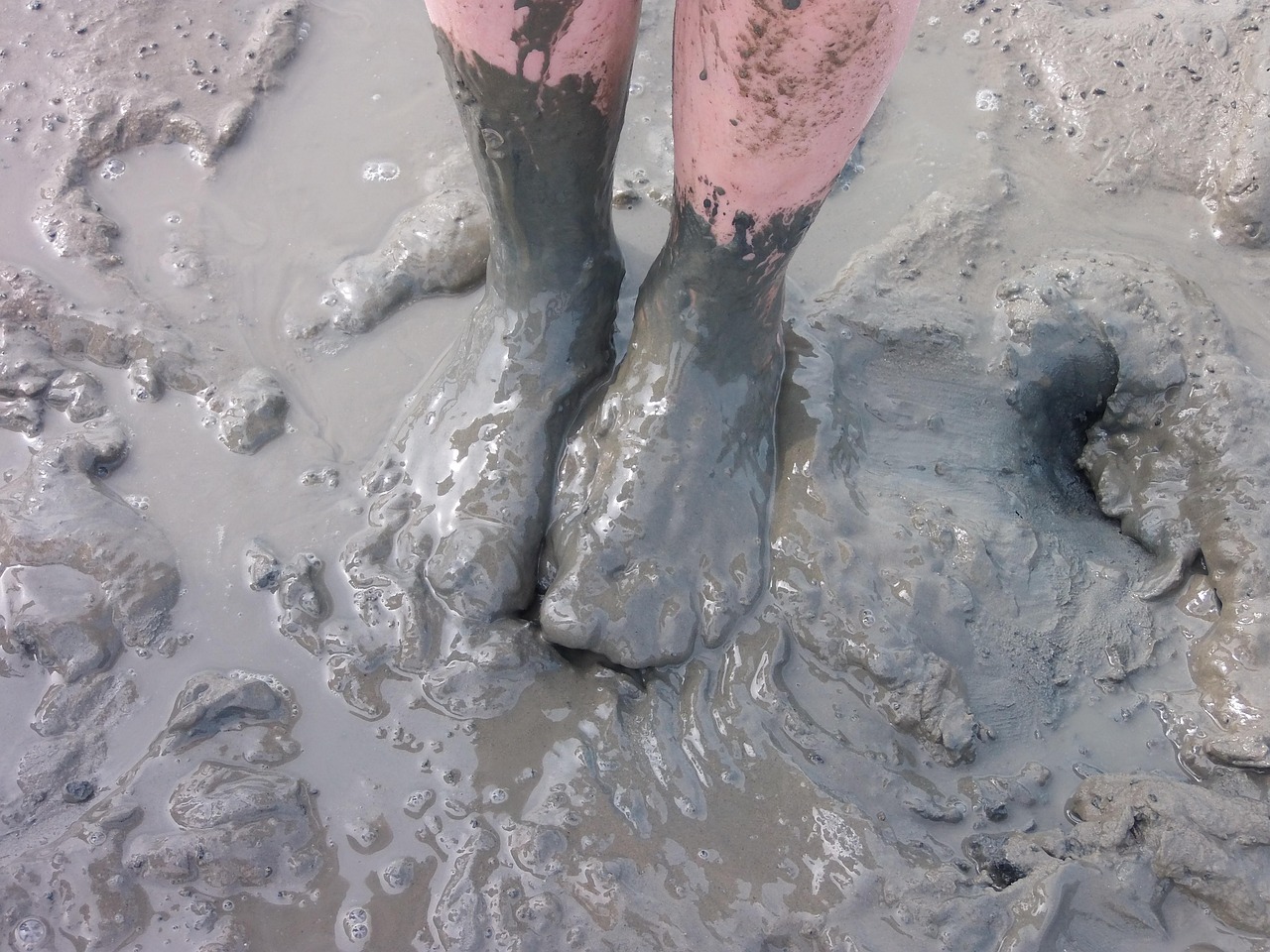
When interviewing Japanese startup executives, one word comes up with striking frequency: “dorokusai” (literally, “muddy” or “dirty,” but figuratively meaning hands-on, unglamorous, or grind-it-out work).
It is often used in expressions such as, “Right after launching the product, we worked in a very dorokusai way, visiting prospective customers one by one.”
In other words, startups seem eager to emphasize that, alongside advanced ideas and cutting-edge technology, they are also engaged in steady, down-to-earth efforts.
Many readers will likely sympathize with the necessity of such efforts. I certainly do.
That said, from the perspective of someone who makes a living as an editor, hearing the word dorokusai used so repeatedly creates a sense of unease. At times, it feels as though the term has become a kind of stock phrase.
Why Entrepreneurship Is Seen as “Special” in Japan
To understand this phenomenon, some background on how entrepreneurship is perceived in Japan is necessary.
Starting a business in Japan tends to be viewed as something exceptional. As a result, both entrepreneurs and non-entrepreneurs alike often regard entrepreneurship as something “cool” or admirable.
One reason for this is simply that, compared with other countries, relatively few people start businesses in Japan. While the data is somewhat dated, Japan’s startup rate in 2020 stood at 5.1%. Given that many major economies hover around 10%, this figure is clearly low. Even according to the latest data, Japan’s startup rate is about 3.9%, suggesting that the situation has not fundamentally changed.
When few people start companies or new ventures, those who do are naturally singled out. Looking more deeply, there is also a prevailing mindset in Japan that working as a company employee or civil servant represents a stable life, whereas entrepreneurship is seen as inherently risky. These factors together help explain why entrepreneurship is so often treated as something special in Japan.
(There are also structural issues, such as the heavy burden of responsibility placed on founders in Japan, but that is a topic for another time.)
A Deeper Meaning of “Dorokusai,” Seen Through a Google Case
Let us return to dorokusai.
If we try to infer the mindset of startup founders who deliberately emphasize their “dorokusai” efforts, one possible motivation is a desire to counter the image of entrepreneurship as something glamorous. They may want to make it clear that reality is not always so polished. From a human and business perspective, this is a perfectly natural impulse.
At the same time, being seen as “cool” can also make startup founders targets of envy or resentment. As a form of self-defense against such sentiments, they may consciously describe their work as dorokusai.
I arrive at this interpretation because I recall an incident involving Google Japan in 2014.
At the time, Google had received floor plans of facilities such as airports and train stations in Japan for use in Google Maps. Due to an internal mistake, these materials were made publicly accessible, even though they should have been set to private or restricted access.
Here is an excerpt from an article published in the Tokyo edition of The Yomiuri Shimbun on April 19, 2014. The free online version has since been removed, and this quotation is taken from a database archive:
“You are likely already aware of the reports—
Following the issue of airport, station, and commercial facility blueprints being publicly accessible online, Google Japan explained the situation to facility operators via email and other means.
One railway company that had shared station floor plans with Google under a confidentiality agreement received an email apology that explicitly referenced the media coverage.
A representative of the company commented, ‘When a problem occurs, it is normal to explain the situation directly. Companies like that try to settle everything by email. Don’t they ever visit in person or do anything dorokusai?’—expressing exasperation.”
Although Google (Alphabet) is now a global giant, few would dispute that it still retains a startup-like spirit. Seen in this light, it is easy to imagine that both large, fast-growing companies like Google and smaller startups are often assumed to be organizations that “do not engage in dorokusai work.”
Of course, the individual quoted above was likely expressing simple frustration with Google’s response, rather than envy or resentment. That point should be made clear.
Still, as a general matter, such negative emotions can be directed at Google or at startups more broadly. To shield themselves from these sentiments, Japanese entrepreneurs may instinctively reach for the word dorokusai.
Going further, there may also be cases where entrepreneurs use dorokusai as a way to appeal to investors or to society at large.
In reality, any business process inevitably involves unglamorous, hands-on work, and using the term to reflect on such experiences is perfectly understandable. However, if entrepreneurs feel compelled to emphasize dorokusai work primarily because they are concerned about how others perceive them, that suggests room for improvement in Japan’s social environment. And if dorokusai is being used as a pitch to investors, then some responsibility also lies with entrepreneurs themselves—as well as with investors, who must sharpen their ability to see through such signals.
If, little by little, we find ourselves hearing the word dorokusai less often, that may be a sign that Japan’s startup ecosystem has, in its own modest way, become a bit healthier.