
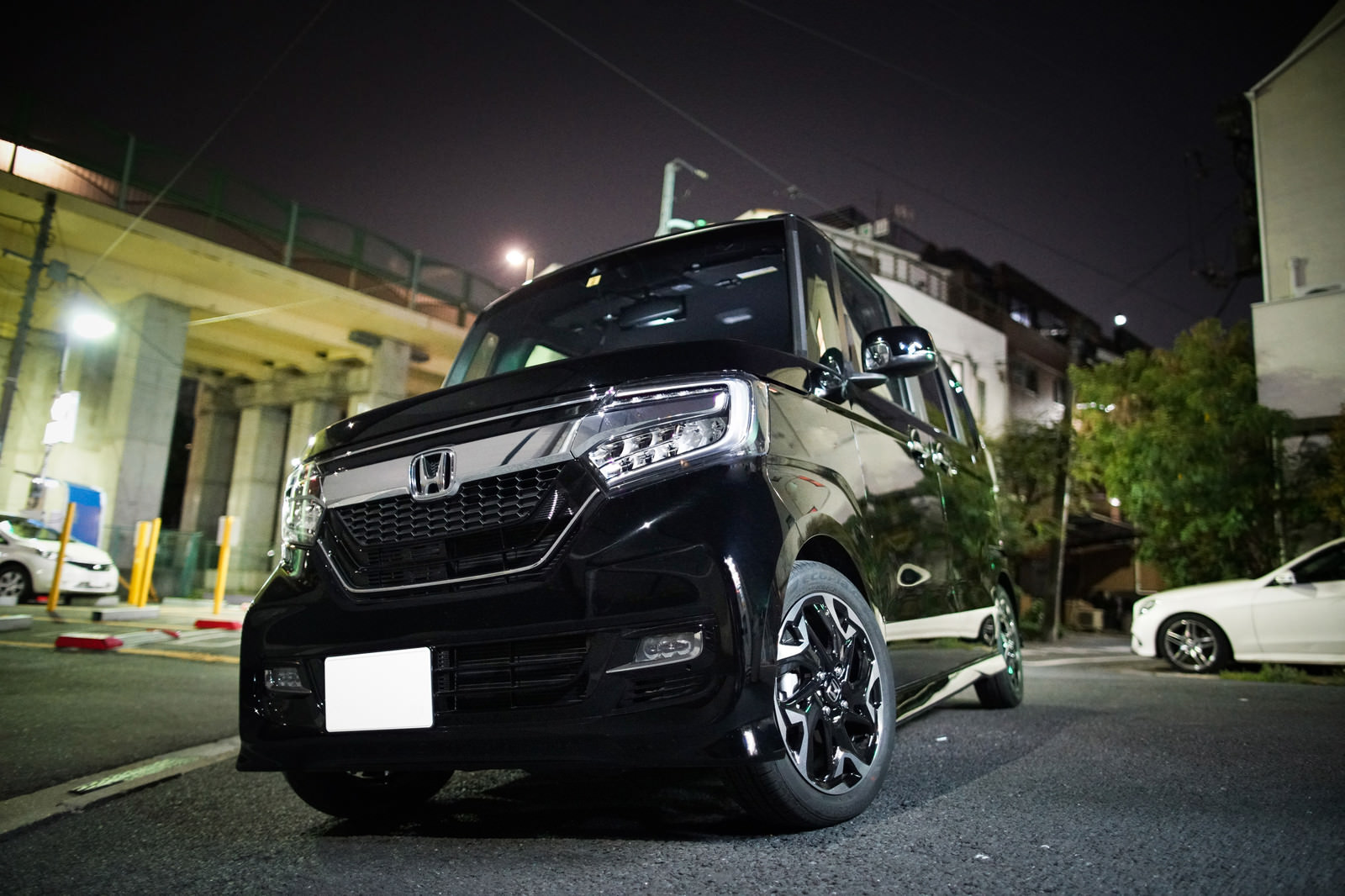
In December 2025, U.S. President Donald Trump drew international attention when he referenced Japan’s kei cars during a campaign speech. Arguing that “cars in America are too expensive,” he suggested that introducing Japan-style small and inexpensive vehicles could make car ownership more affordable for American consumers. With U.S. new-car prices rising due to the growing popularity of large SUVs and the increasing complexity of safety and electronic systems, Trump used the kei car as an illustration of what an ultra-low-cost vehicle category might look like.
Kei cars, however, are defined by Japan-specific regulations and cannot simply be transplanted into the U.S. market. Still, Trump’s remarks prompted many overseas readers—who rarely encounter kei cars in their daily lives—to ask: What exactly is a kei car? The episode offers an opportunity to reexamine this uniquely Japanese automotive category through an international lens.
How Kei Cars Work — and Why They Became So Common in Japan
A kei car is a legally defined category of small automobiles regulated under Japan’s Road Vehicle Act. To qualify, a vehicle must meet strict limits such as an engine displacement of 660cc or less and a maximum length of 3.4 meters. In this sense, a kei car is not merely a compact car; it is a “vehicle created by regulation,” with dimensions and performance inherently shaped by law. The yellow license plate has become its visual hallmark.
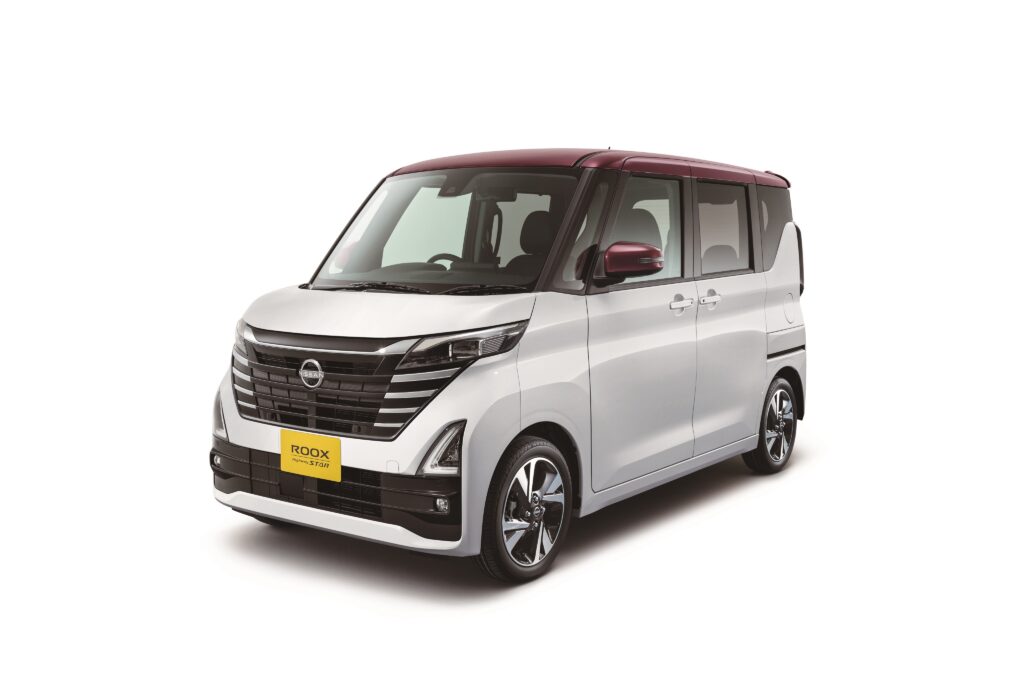
The widespread adoption of kei cars is rooted in Japan’s economic history and urban structure. In the postwar period, cars were still prohibitively expensive for most households, and the government aimed to promote an affordable entry-level vehicle category. By offering lower taxes and reduced ownership costs in exchange for smaller size and power output, kei cars became a practical and attainable transportation option for ordinary families.
Japan’s urban environment further accelerated their spread. Narrow residential streets and limited parking space make maneuverability essential, and kei cars fit this need perfectly. Outside major cities, they also serve as convenient daily drivers for commuting, shopping, and family use—filling the gap between motorcycles and full-size passenger cars.
Kei vans and kei trucks extend the concept into the commercial realm. Used in delivery services, construction, agriculture, and local trades, they function as part of Japan’s everyday infrastructure, supporting both urban and rural economies.
How Kei Cars Are Viewed Overseas — and Why Kei Trucks Stand Out
In recent years, the term “kei car” has begun appearing in international media and enthusiast communities. Compact, fuel-efficient, and inexpensive, these vehicles are often seen as a rational solution to urban mobility and cost-of-ownership challenges.
Yet kei cars face significant barriers abroad. Most countries require vehicle safety and emissions standards that do not align with Japan’s kei regulations. In the United States in particular, strict crashworthiness requirements make it unrealistic for kei cars to be sold new without substantial redesign. Consumer preference for larger vehicles further reduces their market feasibility. As a result, kei cars are often described overseas as “interesting but only really workable in Japan.”
Kei trucks, however, tell a different story. These small, lightweight work vehicles—originally designed for farms and construction sites in Japan—have developed a strong following abroad. In North America, Latin America, and parts of Asia, kei trucks are widely used on private properties such as farms, ranches, warehouses, parks, and campgrounds. Their appeal is straightforward: they are affordable, easy to maintain, maneuverable in tight spaces, and surprisingly capable for their size. Robust exports of used kei trucks from Japan have further strengthened this niche market.
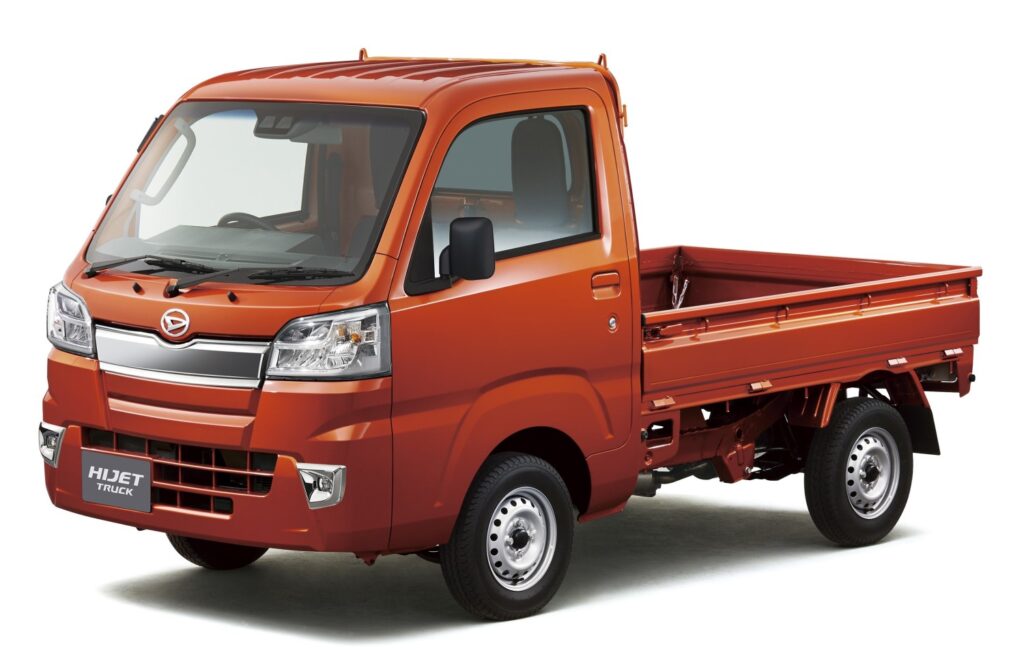
Although regulations governing on-road use vary by country or even by state, kei trucks have secured a reputation as reliable “small workhorses,” helping expand global awareness of the kei ecosystem.
What Kei Cars Reveal About Society
Trump’s remarks highlighted rising concerns over vehicle affordability in the U.S., using kei cars as an example of what a low-cost category might look like. But the broader lesson is that kei cars reflect the specific social, spatial, and economic conditions of Japan.
Shaped by urban design, tax policy, housing density, and everyday mobility needs, kei cars are more than small vehicles—they are a mobility system created within a particular national context. Kei trucks show that, when the use case aligns, aspects of this system can indeed travel across borders. But at its core, the kei car is a solution tailored to Japan’s environment.
In this sense, kei cars provide a compelling case study for understanding how “small vehicles” can support society. Their history and continued relevance offer insights as countries around the world reconsider the scale, cost, and environmental impact of personal mobility.