Kyoto Fusioneering, which develops technologies for fusion power plants, secured a total of ¥25.72bn ($162m) on August 24th at the first close of its series D funding round. Of that sum, ¥16.72bn ($105m) was raised in equity. The total also includes credit and loan facilities.
The company was founded in 2019 as a spin-out from Kyoto University. Its development site is in Kyoto and its headquarters in Tokyo.
Funds earmarked for UNITY, the fuel-cycle demonstration programme
Kyoto Fusioneering develops, manufactures and sells the components needed to run a fusion reactor, rather than the reactor itself, which is the source of the electricity. A fusion reactor must generate a plasma whether it is a tokamak or a helical device, for example, and the company develops the plasma heating systems that do so.
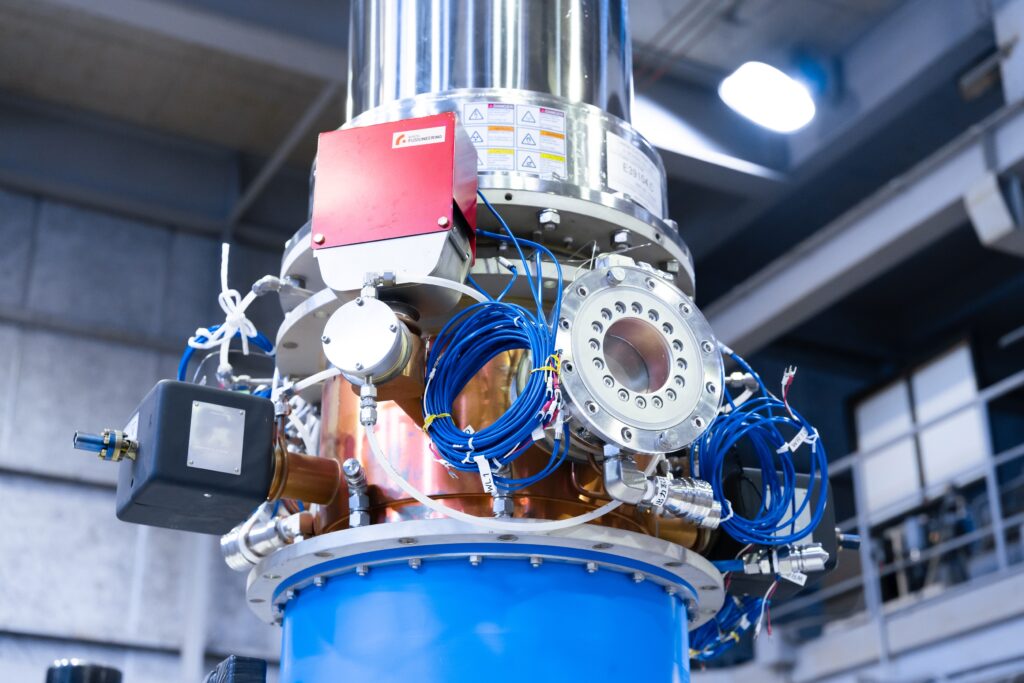
It also develops fusion fuel-cycle systems, which feed a continuous supply of fuel (tritium) into the reactor, and fusion blanket and thermal-cycle systems, which recover the heat generated by the fusion reaction and convert it into electricity. The main use of the money raised this time will be the development of UNITY, which integrates the fusion fuel-cycle system with the fusion blanket and thermal-cycle system.
UNITY is being developed across three countries: Japan, Canada and the United States. UNITY-1, in Japan, is centred on the fusion blanket and thermal-cycle system. UNITY-2, in Canada, will demonstrate the tritium fuel-cycle system. UNITY-3, in the United States, will demonstrate the tritium breeding blanket.
GX Acceleration Agency takes a stake
New investors in the first close of the series D included SiteGround Capital, a Bulgarian venture-capital firm; the GX Acceleration Agency, a body affiliated with the Ministry of Economy, Trade and Industry; and East Japan Railway Company. Some existing investors also put in further money. The GX Acceleration Agency is an organisation charged with promoting decarbonisation in Japan, and it invests in companies whose businesses relate to carbon neutrality. On the same day, August 24th, it also announced an investment in JEPLAN, a developer of chemical recycling technology for PET. Kyoto Fusioneering and JEPLAN follow TeraWatt Technology, backed in July 2025, as investments by the agency.
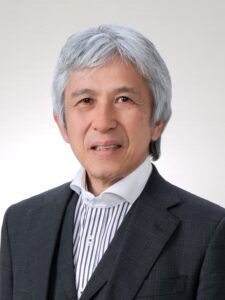
Satoshi Konishi, chief executive of Kyoto Fusioneering, commented: “With this funding we will accelerate our progress further. In the long-term challenge of commercialising fusion energy, we will continue to work with partners around the world to create a fusion energy industry.”