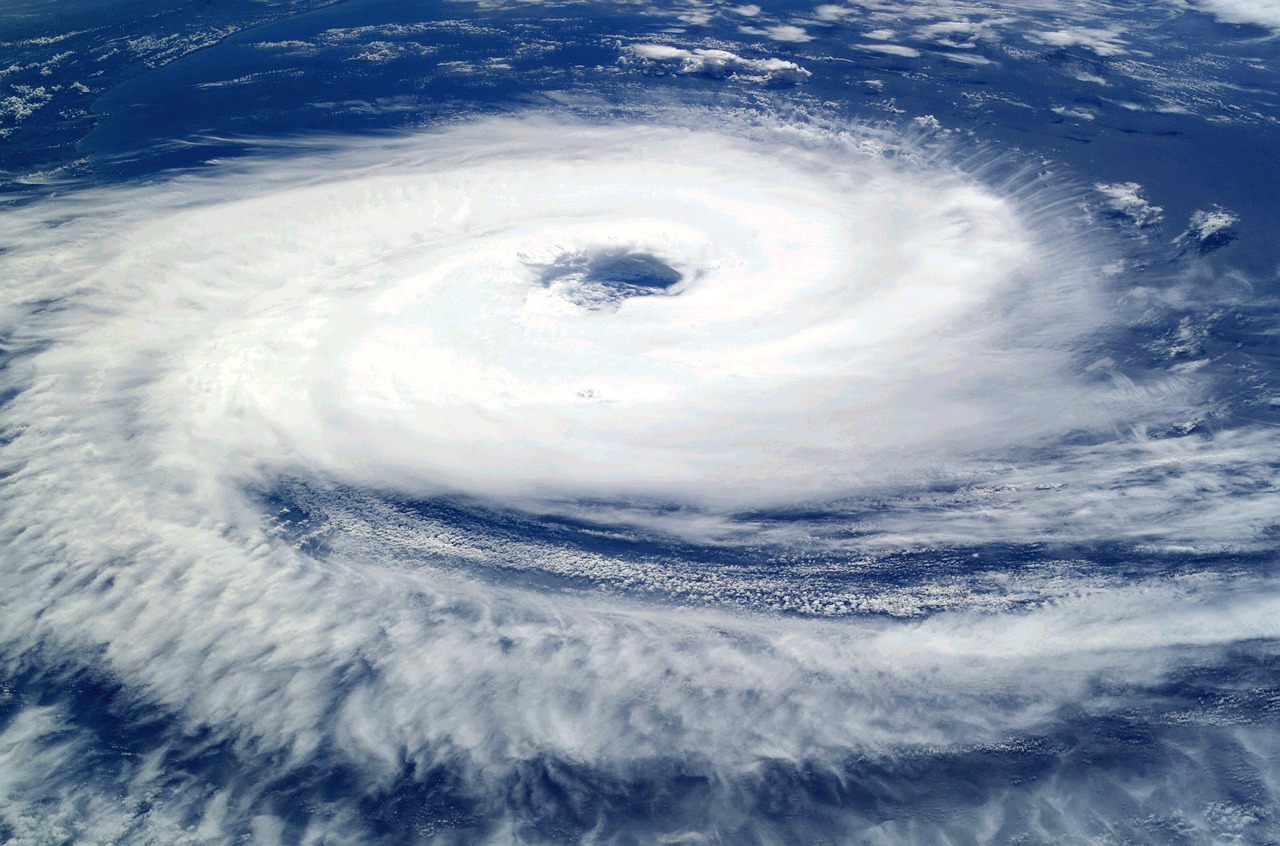
Typhoon No. 6 (international name: JANGMI) is closing in on Japan’s major urban centers.
As of 9:00 a.m. JST on June 2, the storm was located approximately 190 kilometers (about 120 miles) southwest of Yakushima Island, Kagoshima Prefecture. It is moving north-northeast at approximately 25 kilometers per hour (about 15 mph).
According to the Japan Meteorological Agency (JMA), the typhoon is expected to approach Aichi and Shizuoka prefectures around 9:00 a.m. JST on June 3, before moving toward the Kanto region and possibly making landfall in some areas. It is then forecast to exit into the Pacific Ocean by the morning of June 4. (JMA forecast as of 9:00 a.m. JST, June 2.)
The author, who is based in Tokyo, was already experiencing strong winds during a morning errand on June 2.
JMA provides real-time typhoon updates in multiple languages
JMA is an agency of Japan’s Ministry of Land, Infrastructure, Transport and Tourism (MLIT), responsible for observing and issuing forecasts and warnings for weather events, volcanic activity, and earthquakes.
The JMA website is available in multiple languages. This link goes to the English version; other languages are accessible via the “Other Language” menu at the top of the page. On the English site, clicking “Heavy Rain / Heavy Snow” on the homepage will display the latest typhoon position and forecast cone in the lower right of the screen.
Key considerations for companies with Japan-based operations
JANGMI is forecast to pass near the Tokai region, home to Nagoya, and the Kanto region, where Tokyo is located. Residents and workers in these areas should take precautions.
In particular, companies with offices or staff in these areas are advised to encourage remote work on June 3 (JST) and avoid non-essential outings. Typhoon conditions pose real physical risks: wet roads increase the chance of slipping and falling, and wind-driven debris can cause injury.
It is also worth noting that Japanese rail operators and other transport providers increasingly announce planned service suspensions the day before an anticipated typhoon or heavy snowfall. Checking the relevant operator’s website for service updates ahead of time is strongly recommended.
Those living in the Kanto and Tokai regions are also advised to stock up on drinking water, food, and daily essentials, and to charge any portable battery packs, before the end of June 2.